Low Water Pressure Repair in Denver, NC for Sudden Loss, Weak Showers and Faucets 28037
Lakefront homes near Lake Norman can see household water use climb during Denver’s hot, humid summers, especially when irrigation and indoor demand overlap. A weak upstairs shower may be more noticeable when several fixtures run at once.
Summer heat can push irrigation demand higher, so a pressure drop during outdoor watering may point to a supply limitation rather than a single faucet problem. We check pressure under real use before recommending a repair. Drought can also lower private-well water levels; if your well serves the home, note whether pressure changes after dry spells and share that pattern with our crew.
Our team handles low pressure in lakefront homes, ranch-style houses, newer subdivisions, and well-and-septic properties across Denver. We test the system, explain what we find, confirm the work before starting, and protect nearby flooring during repairs.
For service routing in Denver, call Denver, NC Plumbing Pros at (877) 773-0781. We’ll help you prepare access to the meter, regulator, or well equipment before the visit.
- Pressure Regulator Repair
- Booster Pump Installation
- Well Pump Pressure Repair
- Sudden Pressure Loss Repair
- Low Shower Pressure Repair
- Low Faucet Pressure Repair
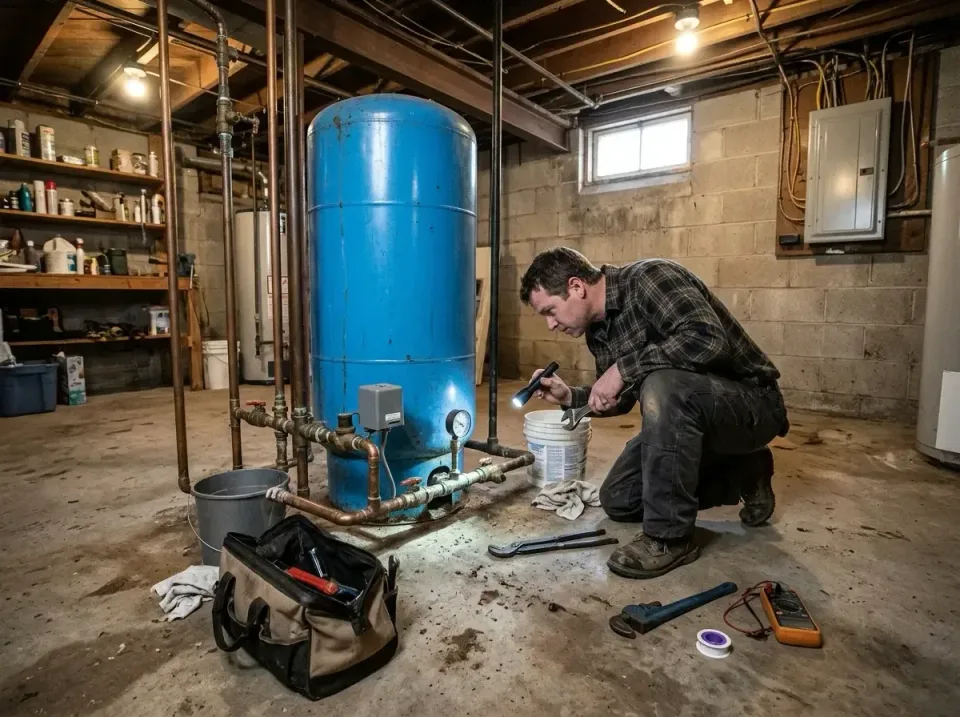
Who Repairs Low Water Pressure in Denver, NC?
Lake Norman shoreline homes and rural lake properties around Denver can rely on different water setups, including private wells. Heavy rainfall may carry more sediment into well water, so we check filtration and supply conditions before assuming a fixture is at fault. Denver’s spring storms can also bring abrupt weather changes; our crew asks whether pressure shifted after a storm and tests the system accordingly.
North Carolina Plumbing Pros has served Denver for more than 12 years. Our licensed, insured plumbing contractor team schedules service for local property owners, tests before recommending parts, and explains findings in plain language. We confirm the repair scope before work begins and respect your home and schedule. Call (877) 773-0781 to arrange a visit.
What Causes Low Pressure in Denver Homes?
A well pump that cycles repeatedly can leave Denver homeowners with pressure that rises and falls. Spring rainfall can raise groundwater and flood wells; we inspect the pressure tank, switch, and well equipment, then verify the likely cause. You can note whether the pump starts every time a faucet runs.
A weak stream at several fixtures may also follow a summer thunderstorm that interrupts power to well equipment. Our crew checks the electrical supply and pressure controls before recommending Well Pump Pressure Repair. Don’t open electrical enclosures; simply check whether other household power is on.
For homes near Lake Norman, we also investigate slow flow after seasonal properties have been vacant; winterization helps protect those homes, but a shutoff left partly closed can restrict supply. Check that accessible fixture handles are fully open. We serve Denver ZIP code 28037.
How Denver’s Winter Conditions Affect Pressure
How to spot a cold-weather pressure issue in Denver starts with checking exposed hose bibs and supply lines after a freeze. Freeze-thaw cycles can stress outdoor plumbing, so our team inspects accessible exterior connections before tracing a pressure loss indoors.
Mountain winters bring more frequent freezing than Denver typically experiences, but occasional cold snaps can still affect exposed plumbing around local homes. Near Lake Norman, we ask whether a drop began after freezing weather and look for visible leaks or damaged fittings before discussing repair pressure reducing valve for low home water pressure. Residential pressure commonly falls within 40–80 psi; a reading outside that range needs context from a qualified test.
Keep it simple. Check that an outdoor hose is disconnected and look for dripping at visible connections. We can test pressure and explain whether the regulator or another section needs attention.
Which Plumbing Rules Apply to Denver Pressure Repairs?
Denver pressure repairs must follow North Carolina plumbing requirements and applicable local permit rules; skipping a required inspection can leave concealed work unverified or complicate later property repairs. NC 16 is one of the local routes our dispatch team uses when scheduling Denver visits.
North Carolina licensing is required for plumbing contracting work. The National Ground Water Association offers well-owner guidance, but its material does not replace state or local requirements. For a private well, we distinguish pressure-equipment repairs from well construction, which has separate state rules.
A clogged water filter can lower flow at fixtures, so we check the filter before treating a pressure complaint as a code issue. Our licensed team identifies applicable rules and verifies repaired pressure while multiple fixtures run.
Why us
Local Low Water Pressure Repair in Denver, NC
Get clear findings and repair options from a crew that serves homes across North Carolina.
Clear Repair Options
A technician explains what the checks show and reviews repair options before starting work. You can agree on the scope first, with a clear understanding of what the proposed repair addresses.
Local System Knowledge
The team works with both municipal supplies and rural well systems across North Carolina. Experience with aging regulators, clogged lines, pumps, and pressure tanks helps guide the checks without assuming every home has the same setup.
Warning signs
Early Signs To Watch
Slow Toilet Refill
A toilet tank that takes longer than usual to refill can be an early sign of reduced flow to that fixture. Notice whether the change repeats after flushing; that detail can help narrow down what needs checking.
Weaker Hose Flow
A hose stream that seems weaker than usual may point to a change in supply or an issue at the hose connection. Check that the valve is fully open, then note whether other outlets behave differently.
Through the year
Low Pressure Checks All Year
Spring
Spring rainfall can raise groundwater and increase sediment in well water. If water flow changes, a pressure check can help assess the supply equipment and distinguish a pressure concern from other changes in the water.
Summer
Hot weather can bring higher household and irrigation demand, while thunderstorms may interrupt power. A pressure diagnostic can check the supply equipment and help identify whether demand or an equipment issue needs attention.
Fall
Regional rainfall and temperatures vary across North Carolina, so fall conditions can differ from one home to another. A pressure check is a useful way to assess municipal or well equipment before colder weather puts exposed plumbing at risk.
Winter
Inland cold snaps and mountain freeze-thaw conditions can stress exposed pipes and hose bibs. Checking pressure can help identify a change in the supply, while protecting exposed plumbing is useful for vacant homes and seasonal properties.
Before you hire
Questions To Ask Before Hiring
Is the plumbing contractor licensed for this work?
North Carolina requires plumbing contractors to meet state requirements. Confirming that the provider is licensed helps you understand who is responsible for the plumbing work and whether the job fits their permitted scope.
How do you schedule visits in my area?
Ask how the company coordinates routes and what scheduling information it can provide for Denver. Knowing how service visits are arranged helps you plan access to the home and avoid assumptions about arrival timing.
Will I review the repair scope before work begins?
Ask how repair options and terms are explained before the crew starts. Reviewing the proposed scope first helps you know what work is included and gives you a chance to clarify any conditions in the agreement.
Get Low Water Pressure Repair in Denver, NC
Request a quote online or contact our Denver, NC team directly by phone or email.
Low Water Pressure Repair FAQs in Denver, NC
What should I check first if several Denver faucets run slowly?
Check that the main shutoff valve is fully open and compare flow at more than one fixture. If the slowdown affects the whole home, our team can test the supply and trace the restriction.
Can a water filter cause low pressure?
Yes. A clogged filter can restrict flow downstream. Note whether pressure improves at fixtures that do not pass through the filter, and avoid removing a pressurized filter housing yourself.
When should I call for well pressure repair in Denver?
Call when the pump cycles repeatedly, several fixtures lose flow, or pressure keeps fluctuating after basic checks. We test the pump controls and pressure tank before recommending repairs.