Pressure Regulator Repair
Pressure Regulator Repair in North Carolina — what the job involves, what affects the price, and how scheduling works, explained before you book.
A faucet that suddenly slows can signal a local fixture issue or a wider supply problem. Static water pressure measures the system when no water is flowing, while pressure switch cut-out marks the point when a well pump should stop; a faulty setting can leave pressure unreliable. North Carolina Plumbing Pros helps homeowners track down low faucet pressure and restore dependable service.
Certified professionals across North Carolina covering your full service needs.
Pressure Regulator Repair in North Carolina — what the job involves, what affects the price, and how scheduling works, explained before you book.
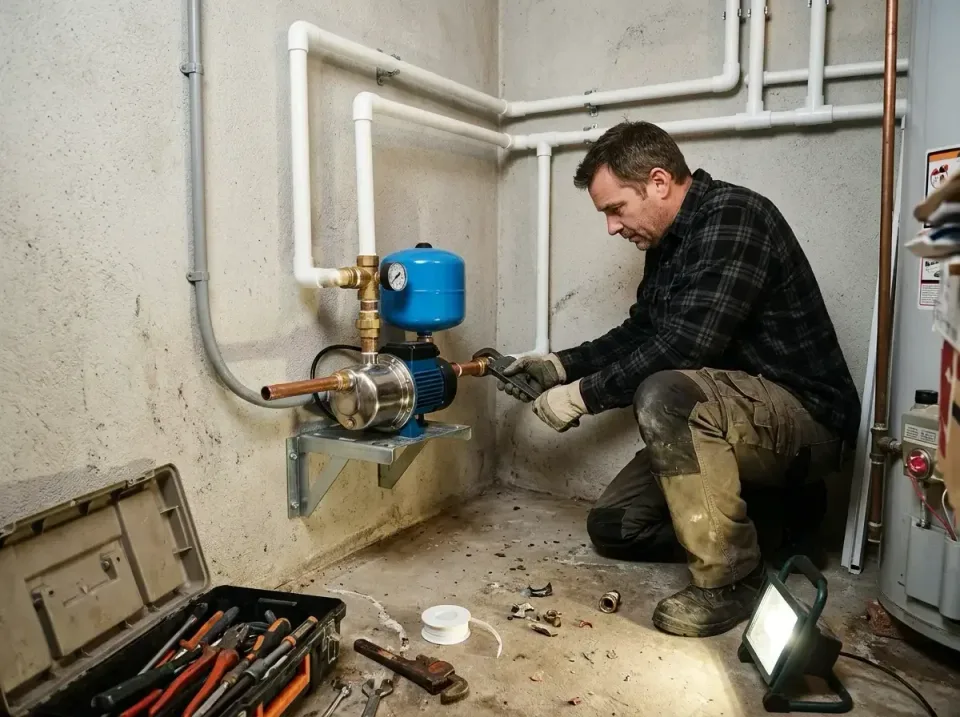
Local booster pump installation for North Carolina with a written scope, clear pricing, and scheduling you can plan around.
Local well pump pressure repair for North Carolina with a written scope, clear pricing, and scheduling you can plan around.
Local sudden pressure loss repair for North Carolina with a written scope, clear pricing, and scheduling you can plan around.
Local low shower pressure repair for North Carolina with a written scope, clear pricing, and scheduling you can plan around.
Local low faucet pressure repair for North Carolina with a written scope, clear pricing, and scheduling you can plan around.
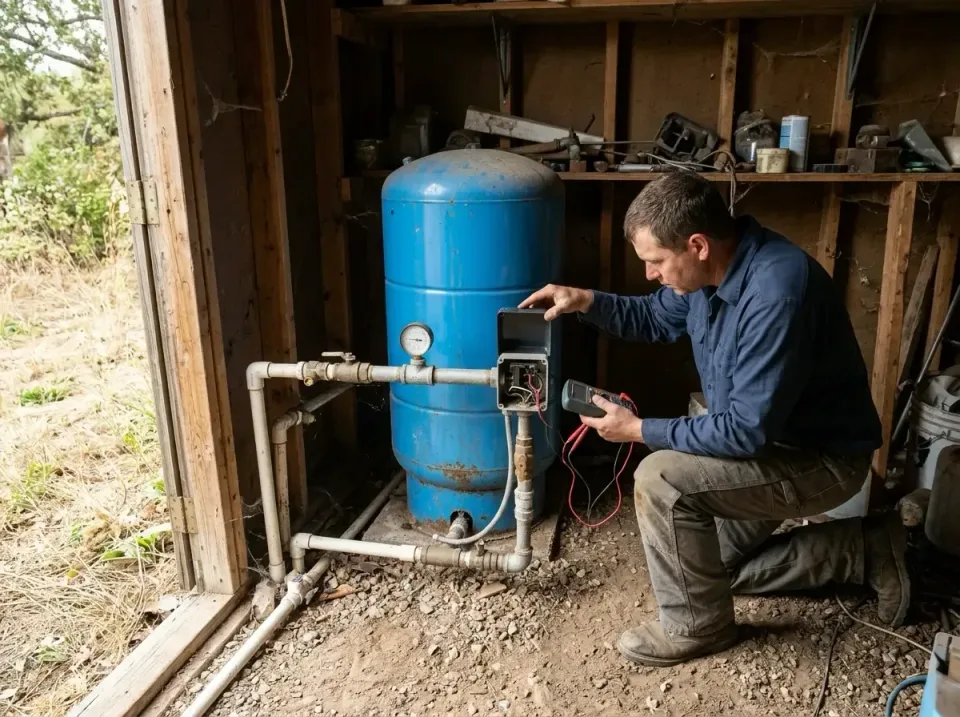
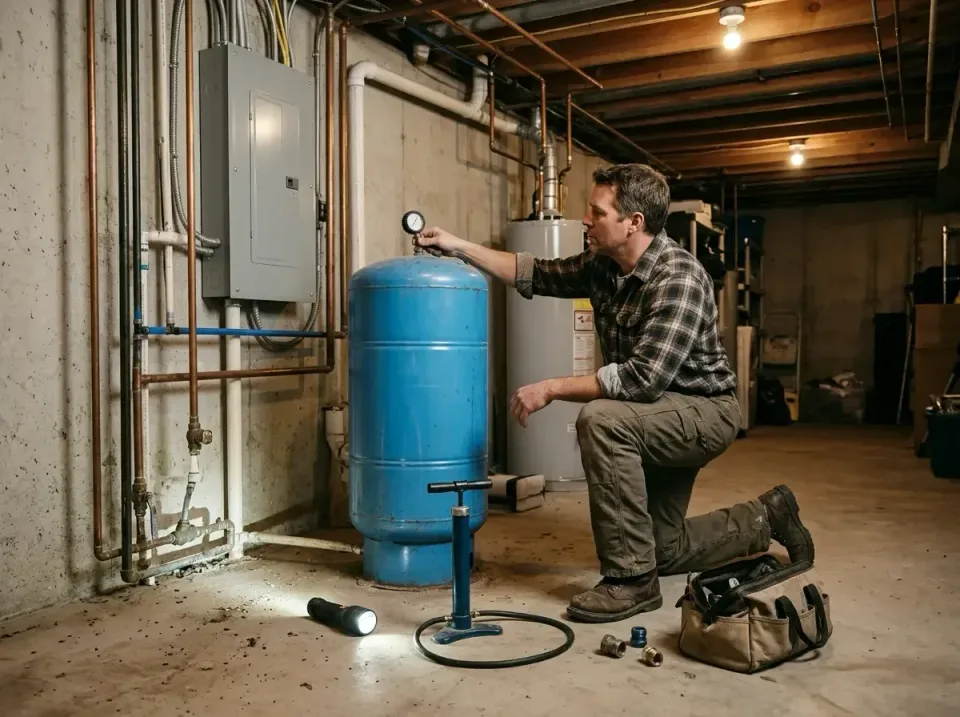
Local well pressure tank repair for North Carolina with a written scope, clear pricing, and scheduling you can plan around.
Well Pump Switch Repair in North Carolina — what the job involves, what affects the price, and how scheduling works, explained before you book.
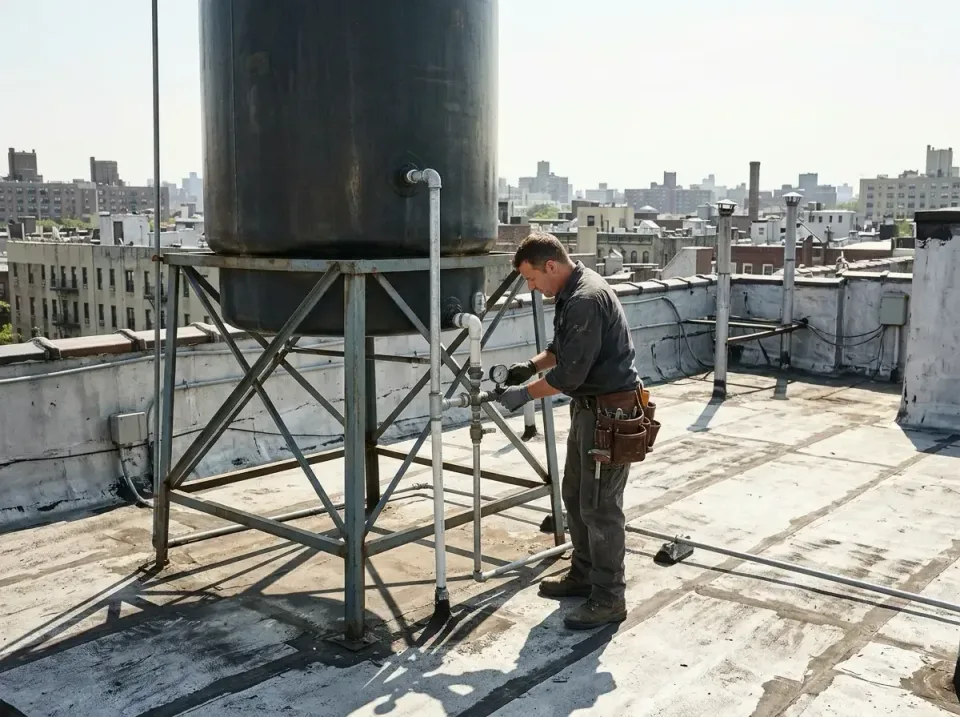
Near the North Carolina State Capitol, a pressure complaint still starts with measurement, not a parts swap. Our crew checks the flow rate at fixtures and traces where water slows, then confirms the repair scope before work begins. Raleigh’s humid subtropical climate brings hot, humid summers that increase household water use, so a restriction can become especially noticeable during busy periods.
A weak stream can have more than one cause. The main shutoff valve may be partly closed, damaged, or obstructed; we check its position and condition before recommending a larger repair.
We also follow the North Carolina Plumbing Code and account for applicable local requirements when work calls for them. The code matters because repair choices must suit the plumbing system and the work being performed.
We explain what testing shows and what work is needed before proceeding. If you want a scope review for low pressure at home, call our crew at (877) 773-0781.
Why us
The crew brings measured diagnostics and clear communication to homes across North Carolina.
Technicians record static and flowing pressure readings before adjusting equipment. That helps identify whether the issue points to a regulator, supply line, pump, or another part, so repair options are based on findings rather than guesswork.
Work across North Carolina includes homes with municipal supplies and rural properties served by wells. Experience with aging regulators, pumps, and pressure tanks helps the crew focus its checks on the equipment serving your home.
Warning signs
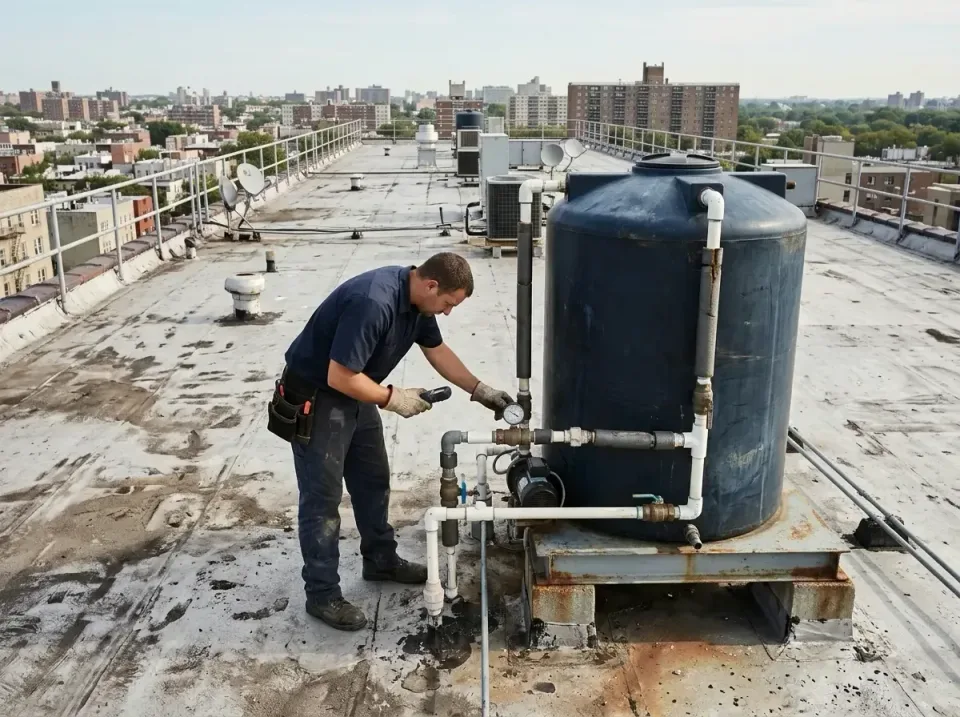
Corrosion on exposed equipment is a visible warning worth checking. Coastal salt air can speed wear on outdoor metal connections and components. Note where corrosion appears and whether it is spreading, then ask a plumber to assess the affected equipment before it weakens further.
Sediment in well water can signal a change worth investigating. Heavy rainfall may increase sediment in a private well, while drought can affect water levels. Keep track of changes in clarity and ask a well-service professional whether the supply equipment needs inspection.
Through the year
Spring
Spring rainfall can raise groundwater and affect private wells, while heavy rain may carry more sediment into well water. A pressure check can help identify whether supply equipment needs attention and gives you a chance to discuss any visible changes in water clarity.
Summer
Hot, humid weather can increase household water use, irrigation demand, and peak water demand across a neighborhood. A pressure assessment can check how the supply performs under household use and help identify equipment that may need adjustment or repair.
Fall
Fall is a practical time to review exposed plumbing and pressure equipment before colder weather arrives. Inland cold snaps can freeze exposed pipes, and freeze-thaw cycles stress outdoor lines and hose bibs. Ask about vulnerable equipment while planning routine home maintenance.
Winter
Winter conditions differ across North Carolina: coastal areas are often mild, while mountain areas see more frequent freezing. Cold snaps can threaten exposed plumbing, especially at vacant or seasonal homes. A pressure-system visit can include discussion of access and winterization needs.
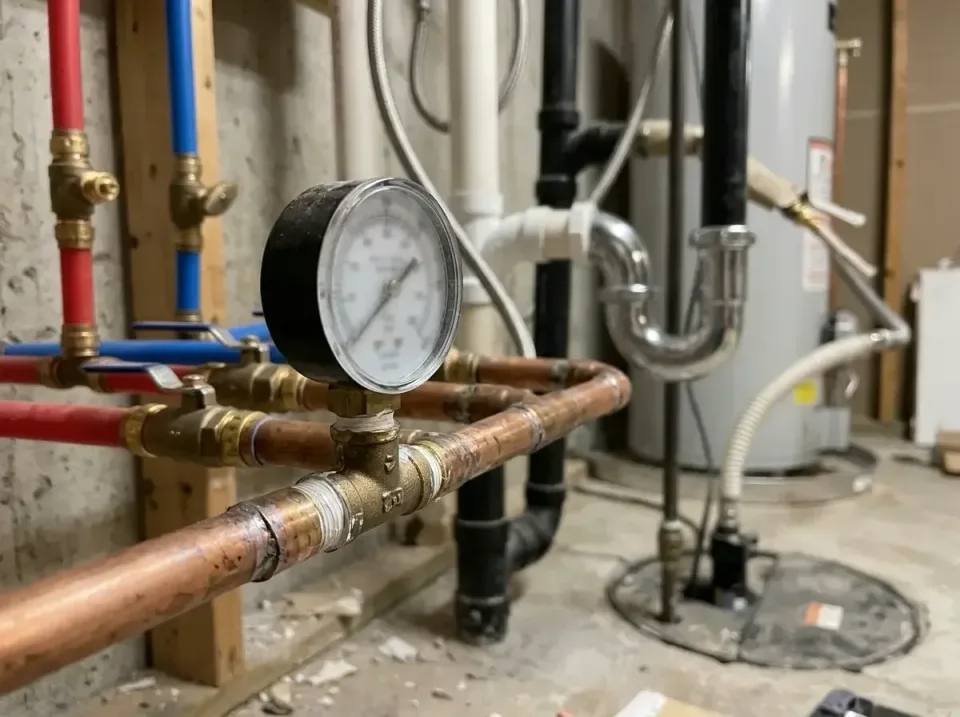
A weak shower or a low-flow kitchen tap can point to different repairs, so we match the work to the supply system and the affected fixtures. Older galvanized steel pipe can narrow internally as corrosion and deposits build up, restricting water even when the source is adequate. Where replacement is appropriate, PEX potable-water tubing may be considered as a material suited to drinking-water plumbing, subject to the job requirements.
For a pressure problem involving a private well, we inspect the well casing and connected pressure equipment rather than treating the plumbing as a municipal supply. North Carolina well construction standards provide rules relevant to well systems, and the North Carolina State Board of Examiners of Plumbing, Heating and Fire Sprinkler Contractors oversees plumbing contractor licensing.
We explain which repair fits the observed condition, confirm the agreed scope, and avoid replacing parts simply because they are nearby. The right material depends on access and existing connections.
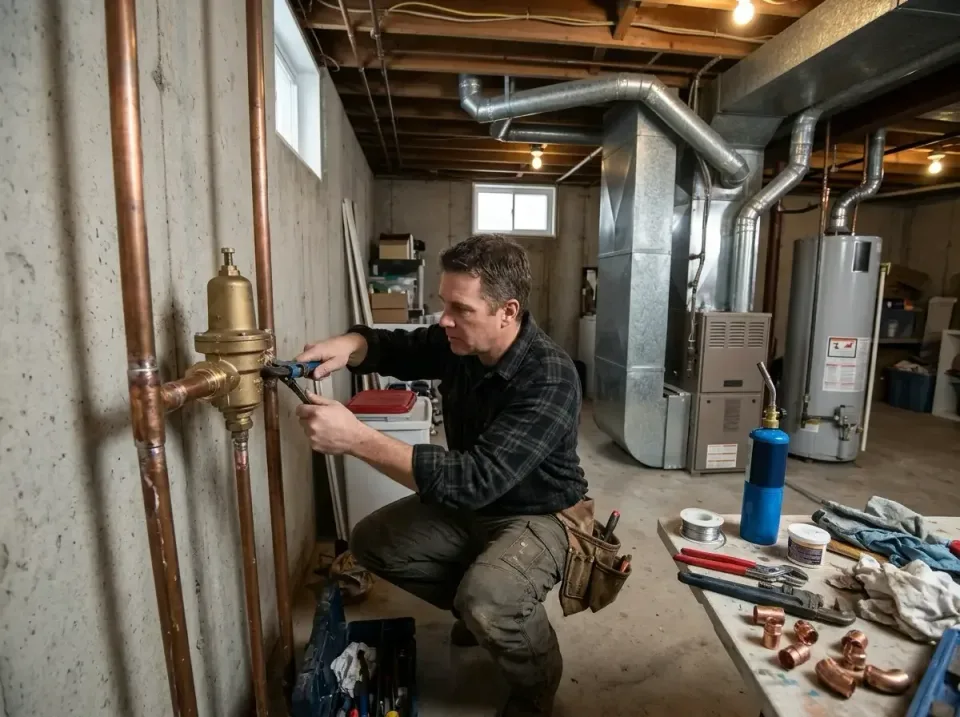
A pressure problem may call for a test, a valve repair, or work on well equipment; the price reflects the diagnosis and the parts and access involved. We provide clear, itemized quotes so you can review the proposed scope before authorizing work.
A pressure test commonly runs $75–$250, depending on diagnostic time and access. Pressure regulator repair is generally $150–$600, based on valve condition and whether replacement is needed.
Booster pump installation can range from $800–$2,500, with pump capacity and electrical work shaping the job. Well pressure tank replacement is often $600–$2,000, depending on tank size and installation conditions. Well pump repair may cost $300–$1,500; pump depth and failed components are key drivers.
On a well system, common settings are 30/50 or 40/60 psi, which helps us understand the equipment but does not determine a repair by itself. Final quotes vary by scope, equipment, access, and site conditions. Contact North Carolina Plumbing Pros at (877) 773-0781 for a quote based on your home.
Reach our North Carolina team or ask about coverage in other markets.
Straight answers for customers in Raleigh, NC on pricing, scheduling, and coverage.
A pressure gauge may show acceptable pressure when no water is moving while dynamic water pressure drops as a fixture runs. Ask for a test under flowing conditions, since that comparison can help distinguish a supply restriction from a pressure issue at rest.
Yes, a pressure-reducing valve that is failing or set too low can limit the water reaching fixtures. A plumber can check the valve and system readings before recommending adjustment or replacement.
Pressure switch cut-in is the pressure point at which the switch signals the well pump to start. If the system reaches that point repeatedly in short intervals, pump short cycling may be involved, so have the switch and connected tank assessed rather than adjusting electrical components yourself.
No, low pressure alone does not prove a booster pump is needed; a restriction, regulator issue, or well-system fault may be the cause.
Write down whether the pressure drop occurs at one fixture or throughout the home, and whether it changes when other water is running. If you can safely see a pressure gauge, note its reading and when you took it; do not open the pump control box or alter switch settings.
Select a city to find local low water pressure repair providers we cover in North Carolina.
Recent low water pressure repair project photos.