Low Water Pressure Repair in North Carolina, serving Raleigh
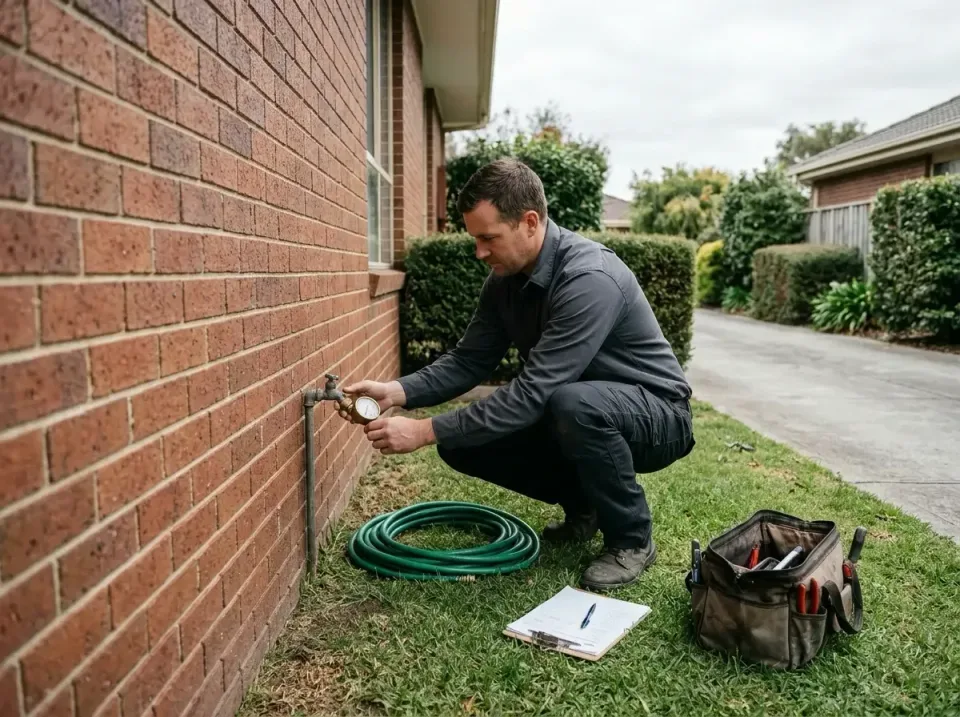
Why Our Crew Works on Water Pressure Across North Carolina
We find the cause of low water pressure before recommending a repair. North Carolina homes can have very different supply setups: an older Raleigh house may have an aging pressure regulator, while a rural home may rely on a well pump and pressure tank. After more than 12 years serving North Carolina, we know that replacing a part before testing can leave the actual problem untouched. Test first.
Homeowners call us when showers weaken, faucets slow down, or pressure changes from one fixture to another. We check the relevant fixtures and supply equipment, explain what we find in plain language, and confirm the repair scope before starting.
That matters when a pressure drop comes from a clogged line rather than the regulator or pump people may suspect. Our crew includes a North Carolina licensed plumbing contractor, and we are an insured plumbing contractor and PHCC member.
We identify the source, explain the repair, and complete the agreed work with care. Call (877) 773-0781 to talk through what you are noticing.
Daniel Carter’s Crew Tests Before Replacing Parts
Daniel Carter built this crew around testing first and explaining the findings clearly. He began working on residential plumbing systems around Raleigh, where older homes, changing municipal supply conditions, and aging pressure regulators showed why a quick parts swap can miss the source of a pressure problem. That experience still shapes how our team approaches each visit.
We schedule pressure diagnostics and repairs across North Carolina, coordinating routes for city neighborhoods and more remote well-service areas. On site, we check the affected fixtures and the supply equipment tied to them; a pressure issue limited to one faucet calls for a different investigation than weak flow throughout the house.
We review repair options before work begins, so you can understand the scope and decide how to proceed. Our work centers on finding the cause and restoring steady pressure where the repair allows. If pressure has changed at home, call (877) 773-0781 and tell us which fixtures are affected.
Pressure Changes Worth Checking Before They Spread
A change in how water flows can point to a fixture, supply line, regulator, or well-system problem. Note whether it affects one tap or several; that detail helps narrow the first checks, whether you live near Raleigh’s older neighborhoods or farther out on a private well.
-
Weak shower stream upstairs: A single weak shower can point to a local restriction or fixture issue, so compare it with a nearby faucet before assuming the whole house has low pressure.
-
Kitchen faucet pressure suddenly dropped: A sudden change may follow a blockage or supply change; noting when it began gives the plumber a useful starting point.
-
Water pressure fluctuates during showers: Flow that rises and falls can indicate a system struggling to hold steady pressure, especially when other water use is happening at the same time.
-
Well pump cycles repeatedly: Frequent cycling deserves attention because repeated starts can signal a pressure-control or tank issue; note how often it happens before the visit.
-
Low pressure after a water filter on one line: A drop limited to the filtered line can make the filter connection or cartridge a relevant part of the inspection.
How We Check Pressure and Agree on the Repair
We inspect the affected fixtures and supply equipment before proposing a repair. Our crew asks when the pressure changed, checks whether the problem affects one fixture or the whole house, and tests the relevant parts of the system. A pressure reading alone does not tell the whole story; the location and pattern of the drop matter.
We explain the findings, review options, and confirm the work scope before starting. North Carolina plumbing contracting work requires the appropriate state licensing, and our licensed plumbing contractor follows applicable plumbing requirements.
For example, International Plumbing Code section 604.8 calls for a pressure-reducing valve when water pressure exceeds 80 psi. Work involving private wells can also involve state well construction rules under 15A NCAC 02C and permit requirements; pump wiring and disconnects must meet applicable electrical requirements.
A detail an out-of-town contractor can miss: a home on a private well needs checks of its pump and pressure tank, not just the plumbing fixtures. We test before recommending parts, then complete the agreed repair with care.
Tell Us Which Fixtures Have Lost Pressure
A clear description of where pressure drops helps us prepare for the right diagnostic checks. Call (877) 773-0781 or email info@northcarolinalowwaterpressure.top with the affected fixtures and whether your home uses municipal water or a private well. We can discuss the next step and explain what information would help before a visit.
Discuss Low Water Pressure Repair in North Carolina
Share your job scope for low water pressure repair in North Carolina — we will review fit and pricing before scheduling.